Wedding Cake 2: A Versatile Embroidery Design for Real Projects
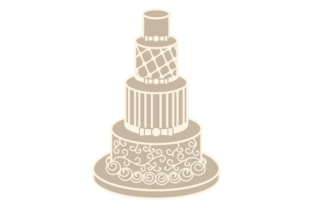
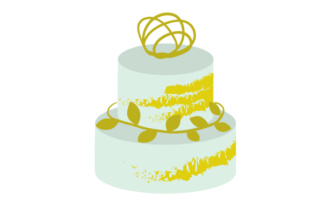
When I first opened the Wedding Cake 2 digital embroidery file, I was immediately struck by its charm and elegance. This design isn’t just another floral motif—it has a distinct personality that feels both celebratory and timeless. The layered structure of the cake, paired with delicate flourishes and a soft, romantic layout, makes it feel like an actual wedding invitation come to life through stitch.
As an experienced designer who regularly evaluates machine embroidery designs for real-world use, I look beyond aesthetics. I consider how the design will perform across different projects, fabrics, and customer expectations. Wedding Cake 2 passed the initial visual test with flying colors, but let’s dive into what really matters when you’re planning to put this design on a finished product.
A Natural Fit for Custom Apparel and Handmade Gifts
This design shines in custom apparel and handmade gifts where a touch of sophistication is needed. Whether you're embroidering a sweatshirt, a tote bag, or a kitchen towel, Wedding Cake 2 brings a sense of occasion without being overwhelming. Its balanced proportions make it ideal for placements on larger surfaces—think pillow covers, aprons, or even decorative patches on denim jackets.
I see this as a great option for Etsy sellers looking to create personalized gifts. It could easily be adapted into a holiday gift design or used as part of a nursery decor set. For example, imagine adding a name above the cake on a baby onesie or a monogrammed version on a family apron. The theme naturally fits crafts related to celebrations, weddings, or special events.
Stitch Clarity and Visual Appeal
The detail level of Wedding Cake 2 is impressive. The layers are clearly defined using a mix of fill stitches and running stitches, which gives depth while maintaining clarity. The edges are well-structured, mostly relying on satin stitches, ensuring clean lines that won’t bleed or distort during stitching.
One thing I appreciate is how the design handles intricate corners. The flow from one layer to the next is smooth, and there are no awkward stitch transitions that might cause puckering or fraying. However, keep in mind that if you plan to place it on something with a curved surface, like a cap or hat, some adjustments may be necessary to maintain its shape and readability.
Performance in Different Embroidery Projects
Let’s break down how Wedding Cake 2 performs in various scenarios:
- Tote Bags: Perfect for tote bags, especially those made from cotton canvas or linen blends. The design doesn’t overwhelm the fabric and can be paired with minimal text or a small logo below the cake.
- Sweatshirts & T-Shirts: On thicker sweatshirt fabrics, the design looks bold and clear. On lighter t-shirts, I recommend testing stitch density to avoid transparency issues. The thread colors provided are bright enough to stand out, but darker garments may require more contrast.
- Baby Clothes: The gentle curves and soft details work well for baby items. Just ensure the hoop size is adequate and the stabilizer is suitable for stretchy or thin materials.
- Aprons & Pillow Covers: These are excellent applications for Wedding Cake 2. The design adds a whimsical yet elegant touch to home goods, especially when placed near a pocket or seam line for balance.
- Holiday & Wedding Gifts: With its thematic appeal, this design can be repurposed for holiday or wedding-themed products. Consider pairing it with other motifs like hearts, doves, or seasonal elements to build cohesive design assets.
- Embroidered Patches: As an applique design, Wedding Cake 2 works beautifully. The structure allows for easy trimming and backing options, making it a solid choice for patch-based handmade products.
Where to Use It Carefully
While Wedding Cake 2 is versatile, there are a few areas where extra attention is needed:
- Small Hoop Sizes: The design is fairly large, so if you're working with tight space constraints, it may need resizing or simplification.
- Textured Fabrics: Stitching on flannel or felt may alter the appearance slightly due to the fabric's nap or pile. Always test before committing to a batch.
- Thin or Stretchy Fabric: Delicate knits or lightweight materials could show distortion if not properly stabilized. Using a tear-away or cut-away backing would help prevent shifting.
- Dark Fabric Backgrounds: While the thread colors are vibrant, dark backgrounds can mute their impact. Try a white or pastel base for better visibility.
- Frequent Wash Use: If the design is going onto kitchen towels or baby clothes, ensure the stitch count and density are optimized for durability after repeated laundering.
Design Notes for Embroidery Success
Before you begin your project, here are some practical steps to take:
- Test on Scrap Fabric: Always run a sample on similar material to check stitch behavior and color contrast.
- Review Thread Color Options: The digital embroidery file comes with a specific color palette. Evaluate whether these match your brand aesthetic or target market preferences.
- Inspect Stitch Density: Dense fill areas may need ventilation or reduced tension settings, particularly on delicate or stretchy materials.
- Confirm Hoop Size Requirements: Since the design is multi-layered, it needs enough room to breathe. Check the recommended hoop size (if available) or adjust accordingly.
- Use Proper Stabilizer: Especially important for woven or stretchy fabrics. Tear-away or wash-away options can help preserve the integrity of the final product.
- Try Black-and-White Mockups: Before purchasing thread, visualize how the design would look in grayscale. This helps determine if the pattern remains recognizable without color.
- Compare Light and Dark Fabrics: Make sure the design maintains its character and doesn’t fade into the background on darker textiles.
- Check Licensing Terms: If you're planning to sell finished items or include this in commercial kits, verify the licensing agreement to avoid legal hiccups later.
Visual Impact and Brand Consistency
What I love about Wedding Cake 2 is how it elevates the product value without overcomplicating the piece. It’s subtle enough to not clash with logos or names, yet detailed enough to stand out as a quality embroidery project. For boutique owners or small shop product creators, this design can become a signature element in your collection, reinforcing a consistent brand identity.
Customer trust is also boosted by using high-quality, well-executed designs. When a handmade product features a professional-looking embroidery like this, buyers perceive it as more valuable and thoughtfully crafted. This can significantly improve buyer engagement and sales performance on platforms like Etsy or at local craft fairs.
Final Thoughts on Wedding Cake 2
In my experience, the success of any machine embroidery design depends on how well it translates from screen to fabric. Wedding Cake 2 does this exceptionally well, offering a unique blend of charm and functionality. It’s a design that feels intentional and polished, perfect for artisans aiming to deliver premium finished products or commercial embroidery pieces.
Whether you're an embroidery designer crafting custom apparel or a creative entrepreneur expanding your craft business, this design deserves a spot in your toolkit. Just remember to adapt based on fabric type, hoop size, and end-use requirements. With the right preparation, Wedding Cake 2 can transform ordinary items into extraordinary keepsakes.
So go ahead—try it out. But don’t skip the test stitch. After all, the best design assets are those that perform as beautifully in reality as they do in your head.