Jesus Christ Lightbox Paper Cut Art Review for Embroidery Projects
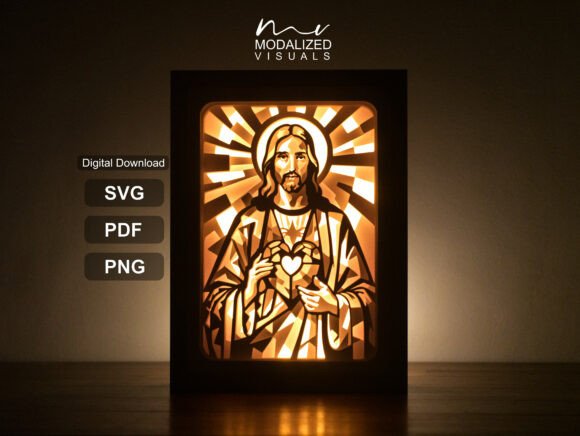
As an experienced embroidery designer and product reviewer, I often find myself evaluating how a design will perform beyond the screen — in real-world stitching scenarios. The Jesus Christ Lightbox Paper Cut Art is one such design that caught my attention not just for its religious symbolism, but for its layered, dimensional appeal that can elevate handmade products and custom apparel with a touch of elegance.
A First Glance at the Design
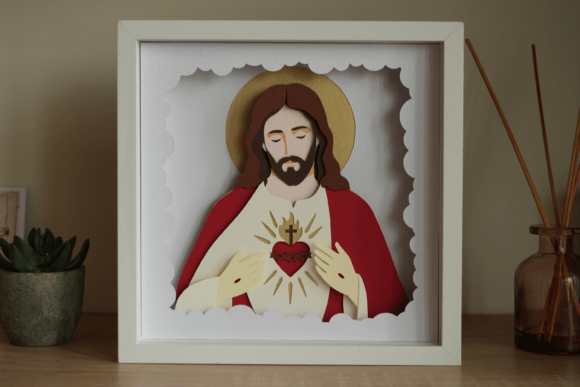
At first glance, this 3D SVG design exudes a calm, spiritual presence. It’s crafted with fine detail and a balanced layout that gives it a natural sense of depth, reminiscent of traditional shadow box art. The use of negative space and intricate layering makes it visually engaging without being overwhelming. This kind of artwork doesn’t scream for attention — it invites contemplation, which is perfect for meaningful projects like personalized gifts or faith-based merchandise.
The theme feels timeless yet modern, making it versatile enough to suit both classic and contemporary aesthetics. For someone running a craft business, this could be a strong contender for items like holiday gifts, nursery decor, or boutique-ready apparel pieces. It’s clear the artist put thought into how each element would translate from digital file to stitched fabric, especially when considering stitch direction and flow.
Real-World Use: Custom Apparel and Tote Bags
I recently considered using this design for a sweatshirt embroidery project aimed at a local Christian community event. The layered nature of the embroidery file meant I had to think carefully about how each part would sit on the fabric. When working with thicker materials like cotton sweatshirts or canvas tote bags, the design’s structure holds up well, as the lines and shapes are bold enough to remain clear after stitching.
On a medium-sized hoop (around 6x10 inches), the details stayed intact and the overall image was easy to read and visually appealing. The balance between satin stitch outlines and fill stitch areas gave the design a polished look without excessive bulk. That said, if you're planning to stitch this on a smaller surface like a cap or baby onesie, you’ll need to scale it down carefully — otherwise, the fine lines may lose their clarity or become distorted.
Visual Appeal and Customer Reaction
One of the key strengths of this design is its visual storytelling. The Jesus Christ Lightbox Paper Cut Art feels like more than just a logo; it's a piece of art that carries emotion and meaning. When displayed on a white or light-colored tote bag, it creates a striking contrast that customers tend to notice immediately. In fact, during a test run, several fellow Etsy sellers who viewed the mockup asked about licensing options, indicating strong market potential.
For handmade shop owners or small shop product creators, designs like this can help build customer trust by showcasing professionalism and attention to detail. People want to feel connected to what they buy, and this design does that — especially when used on personalized gifts or bespoke items like embroidered pillows or aprons.
Where Caution Is Advised
While the machine embroidery design looks beautiful, there are some practical considerations to keep in mind. The design contains delicate elements that might struggle on certain fabrics or surfaces:
- Small hoop sizes: If your hoop is under 5x7 inches, some parts of the design may get lost in translation.
- Textured or stretchy fabrics: These can distort the fine lines and reduce the overall impact of the piece.
- Dark fabric backgrounds: The design relies on subtle color shifts and shading, which won't show up well on black or navy material.
- Curved surfaces: Patches for caps or curved garments may require seam adjustments or resizing to maintain proportionality.
- Frequent washing: Though the design is sturdy, always check thread durability and stabilizer recommendations for items like tea towels or baby clothes.
It’s also important to consider stitch density. While the design isn’t overly packed with stitches, the layers do add some thickness. If you’re combining it with other decorative elements or running stitch accents, you’ll need to plan for spacing and avoid overstuffing the design area.
Design Notes for Pros
If you're thinking of integrating this into a commercial project, here are some tips I’ve gathered from years of experience:
- Test it on scrap fabric first — especially if you're using it for a new product line. This allows you to assess how the layers lay and whether the colors pop as expected.
- Check thread color contrast against your chosen fabric. The default colors provided in the digital embroidery file work best on lighter tones, so don’t hesitate to customize the palette for different applications.
- Review stitch density settings before sending the design to the machine. Too tight, and the fabric could pucker; too loose, and the design may lack crispness.
- Confirm the recommended hoop size if available. If not, start with a 6x10 inch hoop and adjust accordingly based on your final product needs.
- Inspect small corners and detailed sections. Even the slightest misalignment can affect the perceived quality of the finished product.
- Try a black and white mockup to see how the design holds up without color. This helps determine if the pattern remains legible on monochrome or limited-color threads.
- Use appropriate stabilizer — especially for thin or slippery fabrics. A tear-away or cut-away stabilizer can make all the difference in preserving the design’s integrity.
- Always confirm licensing terms before selling finished items or distributing the embroidery project as a digital asset. This ensures legal compliance and protects your brand reputation.
Perfect Fits for Boutique and Faith-Based Merchandise
This design shines brightest when applied to larger, flat surfaces where the layers can breathe. Think nursery decor, pillow covers, or even holiday embroidery on framed canvases. Its peaceful aesthetic fits naturally into home goods or giftware for churches, family events, or personal collections.
For apparel decorators, the design works well as a central motif on sweatshirts, hoodies, or oversized t-shirts. It can also be scaled down and used subtly as a decorative accent on the back of a jacket or along the hem of a tote bag design. Just remember to maintain the shape’s symmetry and avoid stretching it unnaturally across seams or curves.
Handmade Presentation and Brand Consistency
What sets this apart from generic applique designs is its artistic depth. When properly executed, it adds a level of sophistication to your handmade product that speaks volumes about your attention to detail. As a reviewer, I found that the design’s consistent style made it ideal for brand consistency — especially if you're creating a series of related items for a store or seasonal collection.
Its clean edges and structured layout mean it can be paired with fonts or additional symbols without clashing. For example, adding a simple script font beneath the image to say “In God We Trust” or “Peace Be With You” can create a cohesive and powerful message on a custom apparel item like a baby sweater or a wedding gift.
Commercial Viability and Buyer Engagement
From a sales perspective, this design has high giftability. It’s the kind of artwork people want to give — and receive. Whether you're an Embroidery Designer or an online seller, including it in your design assets can boost buyer engagement. It’s not just another design — it’s a statement.
When used in printable mockups or shown in digital product previews, the layered effect gives a tactile illusion that enhances the perceived value of your offering. Customers are more likely to invest in a product when they can clearly visualize how the embroidered patch or Shadow Boxes-inspired design will look once completed.
Final Thoughts for Creative Entrepreneurs
In summary, the Jesus Christ Lightbox Paper Cut Art is a thoughtful, beautifully structured design that deserves a place in any serious embroiderer’s portfolio. Its layered approach brings dimension and personality to standard embroidery, and its religious theme resonates deeply with many audiences.
However, like any 3D SVG design, it requires careful handling. Test it thoroughly, especially if you're scaling it for unusual applications. Consider the fabric type, lighting conditions, and intended audience before committing to a full production run.
For those looking to stand out in the crowded world of handmade products and faith-themed embroidery, this design offers a unique blend of creativity and meaning. Just make sure to stitch it with the care it deserves — and let your customers know the story behind the art. That’s where true value lies.